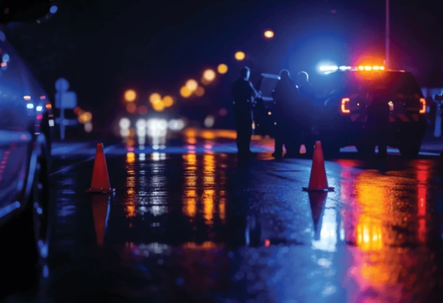
You round a corner in Fredericksburg late at night and suddenly traffic slows to a crawl. Blue lights flash ahead, cones narrow the lanes, and an officer is waving you and every other driver into a DUI checkpoint. You were not planning on talking to police that night, and now you are inching forward wondering what they are allowed to do and what will happen if they smell alcohol on your breath.
Many drivers in Fredericksburg, Stafford County, and Spotsylvania County have the same questions. Some have had a drink with dinner or are driving friends home. Others are completely sober but still feel their heart rate jump when they see a wall of flashing lights across the road. They search for information the next day because they want to know whether the checkpoint was legal, what their rights were, and what they should do now that they have a ticket or DUI charge based on that stop.
At Cornick Ndlovu, PLC, we focus exclusively on criminal defense in Fredericksburg and the surrounding courts, including many cases that start at DUI checkpoints. We see how local law enforcement actually plans and runs these checkpoints, and how judges in Fredericksburg, Stafford, and Spotsylvania respond when those procedures are challenged. In this guide, we walk through how DUI checkpoints work in this area, what you can expect if you encounter one, what rights you keep, and how checkpoint details can affect a DUI case.
How DUI Checkpoints Work In Fredericksburg And Nearby Counties
A DUI checkpoint in Virginia is a planned roadblock where officers briefly stop vehicles according to a written plan to check for signs of impairment or licensing problems. It is different from a typical traffic stop, which begins because an officer believes a particular driver violated a law, such as speeding or failing to signal. At a checkpoint, the stop starts because your car is in the line of traffic passing through the checkpoint location, not because of something the officer saw you do beforehand.
For a DUI checkpoint to pass constitutional review, law enforcement cannot simply decide in the moment to put cones in the road and pull over whoever they want. Agencies are expected to use a written operational plan that sets out when and where the checkpoint will occur, how long it will last, how officers will select vehicles, what questions they will ask, and what safety measures they will use. The plan is supposed to limit individual officer discretion and keep the intrusion on drivers as brief and predictable as possible.
In and around Fredericksburg, checkpoints may involve city police, county deputies, Virginia State Police, or a combination. They often appear on busy routes that see a lot of weekend or evening traffic, and they are more common around holidays and major events. Those choices are usually justified in the plan with references to traffic volume or prior alcohol-related incidents. Because our practice is concentrated in Fredericksburg, Stafford, and Spotsylvania courts, we routinely review checkpoint operation plans and logs as part of defending DUI charges that begin at these locations.
Understanding that there is supposed to be a plan behind the cones and lights helps explain why details matter later. If officers follow the plan carefully, a court may find the checkpoint valid. If they cut corners or change key parts of the plan in the moment, an attorney can use those deviations to argue that the stop did not meet constitutional standards.
What To Expect As You Approach A DUI Checkpoint
Most drivers first realize they are approaching a DUI checkpoint when they see marked police vehicles, flashing lights, and traffic cones narrowing the roadway. In a properly run checkpoint, you should have some advance notice, such as signs indicating that a checkpoint is ahead or that drivers must be prepared to stop. Officers are typically visible and wearing reflective gear so drivers can see them as they approach, which is important for both safety and legality.
As you near the checkpoint in Fredericksburg or the surrounding counties, an officer usually signals you to stop or proceed with a clear hand motion or verbal instruction. At many checkpoints, every vehicle in one or more lanes will be stopped. In some situations, the plan may call for stopping every second or third vehicle if traffic volume is high. The initial contact is typically brief. The officer may ask for your license and registration, look at your eyes and hands, and ask a few short questions such as where you are coming from and whether you have had anything to drink.
If nothing about your appearance, odor, or behavior raises concern, you are often sent on your way in less than a minute. Many drivers are surprised that the first interaction is that quick, because the line of traffic can make the checkpoint feel more intense from a distance than it does at the moment of contact. The goal of that initial screening is to separate out drivers who appear to be sober and compliant from those who may warrant closer attention.
If an officer believes there is a reason to take a closer look, the plan often calls for directing that vehicle into a separate area off to the side. That is where more questions, field sobriety tests, and equipment like portable breath testing devices are usually used. The length and nature of that extended detention can become legally significant. What might feel like a simple delay to a driver is sometimes the point where a routine checkpoint stop begins to look more like an individualized investigation in the eyes of the law.
Because we regularly hear detailed descriptions of these encounters from clients, we know the patterns that local officers tend to follow and where they sometimes depart from the written plan. That perspective helps us assess whether what you experienced as you approached and passed through the checkpoint was consistent with what the plan allowed.
Your Rights And Choices During A DUI Checkpoint Stop
Even at a DUI checkpoint, you do not lose your usual rights as a driver. You are required to stop when directed and provide your license and registration. You must follow lawful orders related to traffic flow and safety, such as instructions to pull forward or move to a secondary area. Beyond that, your rights become more fact specific, and understanding what is optional versus what is required can affect your case.
Many drivers assume they must answer every question about where they have been, what they drank, and where they are going. You do not have to provide detailed information that may incriminate you. Remaining polite and calm is important, but you can keep your answers brief or indicate that you prefer not to answer certain questions. Anything you say at a checkpoint, including casual comments, can later appear in a police report and be used in court.
Another area of confusion involves roadside tests. Officers at checkpoints often ask drivers they suspect of drinking to perform field sobriety tests, such as walking a line, standing on one leg, or following a pen with their eyes. In many circumstances, these tests are voluntary. Officers may not present them that way, and the pressure of the situation can make it feel like you have no choice, but whether you are legally required to participate is different from whether an officer strongly urges you to do so.
There is also the preliminary breath test, a portable device officers use at the roadside to get a quick read on alcohol level. In many situations, this roadside test is treated differently from the official breath or blood test offered after an arrest under Virginia implied consent law. Implied consent means that by driving on Virginia roads, you agree that if you are lawfully arrested for DUI, you will submit to an approved chemical test. Refusing that post arrest test can lead to separate license consequences and other legal issues that go beyond the original charge.
The choices you make in those moments, including whether to attempt field sobriety tests or how you respond to questions, can shape the evidence available to the prosecution and the defenses available to you. At Cornick Ndlovu, PLC, we look closely at exactly what was requested, what you agreed to, and how officers explained your options. That factual detail helps us evaluate whether officers respected your rights and how your decisions may affect potential penalties or defense strategies.
How Officers Decide Who To Stop And Test At A Checkpoint
One of the most common misconceptions about DUI checkpoints is that officers can simply pull aside any driver who catches their eye. In reality, checkpoint plans are supposed to use neutral criteria to decide which vehicles are stopped and how the process works. Examples include stopping every vehicle, stopping every other vehicle, or following a pattern such as three vehicles stopped followed by one allowed to pass. The idea is to avoid on the spot personal judgment about who looks suspicious.
During the initial contact, officers are trained to observe specific indicators that might justify additional investigation. These can include the odor of alcohol, difficulty retrieving documents, slurred speech, red or glassy eyes, or inconsistent answers. These kinds of observations contribute to what the law calls reasonable suspicion, meaning specific facts that suggest a driver may be impaired and warrant further testing.
Once a vehicle is moved into a secondary screening area, the officer focus shifts to whether there is probable cause to arrest. Probable cause is a higher standard than reasonable suspicion. It is based on a combination of things, such as poor performance on field sobriety tests, admissions about drinking, and any breath test results that may be available. Even at a checkpoint, an arrest is supposed to rest on individualized evidence about that particular driver, not simply on the fact that the checkpoint exists.
Problems arise when officers abandon the neutral plan. For example, if the operation plan calls for stopping every vehicle but an officer decides to let their friends pass or to pull aside anyone driving a particular type of car, that shift can undermine the legal foundation of the checkpoint. Similarly, if the plan calls for stopping every third vehicle but officers rely on their own judgment about who looks suspicious instead, that departure from neutral rules can undermine the checkpoint legality.
Our team at Cornick Ndlovu, PLC reviews checkpoint plans, traffic logs, and officer narratives together to see whether the neutral criteria described on paper match what actually happened on the road. This kind of detailed comparison can reveal whether selection patterns and testing decisions followed the rules or were driven by unreviewed discretion, and that difference can become central to a defense.
How DUI Checkpoints Lead To Arrests And Charges
From a driver perspective, a DUI arrest at a checkpoint can seem to happen quickly. The sequence typically starts with the brief screening at the line of traffic. If the officer notes signs that concern them, you may be asked to pull into a side area. There, the officer may ask additional questions, have you perform field sobriety tests, and possibly request a roadside breath sample.
If the officer believes that the combination of your behavior, appearance, statements, and any roadside test results shows impairment, they may decide they have probable cause to arrest you for DUI. At that point, you are usually handcuffed and taken to a facility where an official breath or blood test can be administered under Virginia implied consent rules. That official test result, along with the officer observations and your statements, often form the core of the prosecution case.
Checkpoint encounters also frequently lead to other charges. If your license is suspended or revoked, the checkpoint may be where that is discovered. If there are open containers, drugs, or a firearm in the vehicle, those items can become the basis for additional criminal allegations. What begins as a short stop meant to check for impairment can turn into a multi charge criminal case before the night is over.
Every step in that chain, from the initial decision to move you into secondary screening to the way sobriety tests were explained and conducted, can be examined in court. If the checkpoint itself was not planned or operated correctly, it can affect whether the stop was lawful. If there was not sufficient reasonable suspicion for the extended detention, or not enough probable cause for arrest, those failures can support motions to suppress key evidence.
Because Cornick Ndlovu, PLC handles the full range of traffic and criminal charges, including DUI, driving on a suspended license, drug offenses, and weapons charges, we are prepared to address all of the legal issues that can arise from a single checkpoint encounter. We work to see the whole case, not just the DUI count in isolation.
Common Legal Issues With DUI Checkpoints That Can Affect Your Case
On the surface, many checkpoints look identical, with cones, flashing lights, and multiple officers in reflective gear. Underneath, however, there can be important legal differences. One common problem is a lack of a clear, written operational plan. If the plan is vague about which vehicles will be stopped, how long the checkpoint will run, or who is in charge, it can be difficult for a court to conclude that officer discretion was appropriately limited.
Another frequent issue involves the stopping pattern. If the plan calls for stopping every vehicle, but officers on the scene begin skipping cars whenever the line grows long, that change can shift the checkpoint away from neutral criteria into more subjective decision making. Similarly, if the plan calls for stopping every third vehicle but officers rely on their own judgment about who looks suspicious instead, that departure from neutral rules can undermine the checkpoint legality.
Visibility and safety also matter. Checkpoints that leave drivers confused about where to stop, lack adequate lighting or signage, or create unnecessary hazards can face scrutiny. If a driver does not have reasonable notice that they are entering a checkpoint or cannot safely comply with instructions, courts may be more receptive to arguments that the intrusion was not reasonable under the circumstances.
To make this more concrete, consider a typical scenario. A checkpoint near Fredericksburg is supposed to stop every vehicle between certain hours on a well lit stretch of road. Midway through the night, traffic increases and officers start waving through vehicles at random to reduce the line. One officer begins pulling aside only certain types of cars that catch their eye. In court, an attorney might compare the plan with the actual stop pattern recorded in logs and any available footage, then argue that the checkpoint no longer operated under neutral criteria.
At Cornick Ndlovu, PLC, our attorneys collaborate to review checkpoint plans, reports, and available video to identify issues like these. We file and argue motions to suppress evidence when we find that the checkpoint or the way it was carried out did not meet constitutional standards. In some cases, those motions focus on the checkpoint as a whole. In others, they focus on how a particular driver was treated within an otherwise valid checkpoint, such as being detained longer than necessary without adequate justification.
How Often DUI Checkpoints Occur In Fredericksburg
Drivers often want to know how frequently they can expect DUI checkpoints in the Fredericksburg area. The exact schedule changes, and law enforcement does not publish a complete calendar of future operations. That said, checkpoints are typically more common during certain times, such as major holidays, long weekends, and periods when local agencies conduct focused DUI enforcement campaigns.
In and around Fredericksburg, these checkpoints tend to appear on routes that carry higher late night traffic, especially where there has been a history of alcohol related incidents. Stafford County and Spotsylvania County sometimes coordinate with city and state agencies to cover key corridors that connect residential areas, entertainment districts, and major highways. The checkpoint plans usually explain why a particular location and time were chosen, even if those documents are not obvious to the public.
Agencies sometimes provide general notice that checkpoints will be conducted in a region, for example through press releases or media statements, without naming an exact intersection or hour. These notices are part of the broader goal of deterring impaired driving, not just catching people in the act. A checkpoint is only one tool among many, along with roving patrols and traffic enforcement, that law enforcement uses to address DUI in Fredericksburg and surrounding communities.
Because our practice is rooted in Fredericksburg, Stafford, and Spotsylvania courts, we see how often checkpoint cases appear on local dockets and how judges respond to them. That experience informs how we talk with clients about what to expect if they were stopped at a checkpoint near specific holidays or along particular routes, and how common certain enforcement patterns are in this region.
What To Do If You Were Stopped Or Arrested At A DUI Checkpoint
If you were recently stopped or arrested at a DUI checkpoint, the experience may feel like a blur. One of the most useful steps you can take is to write down or otherwise record what you remember while it is still fresh. Note the location, approximate time of night, the direction you were driving, what signs or warnings you saw, what the officers said, and what tests you were asked to perform. Details such as how many cars were in front of you, whether all cars were being stopped, and how long you waited can matter more than you might expect.
It is also wise to be careful about who you discuss the incident with. Conversations with friends, co workers, or social media posts can later find their way into a case. While it is natural to want to talk about what happened, especially if you feel you were treated unfairly, those statements are not protected in the way that communications with your lawyer are. Preserving your own recollection and paperwork, such as any summonses or forms you received, can give your attorney a much stronger starting point.
Reaching out to a criminal defense firm that understands checkpoint cases in this region is the next key step. The sooner an attorney becomes involved, the sooner they can request checkpoint operation plans, police reports, and any available video before those materials become harder to track down. Early review can identify potential issues with the checkpoint or the way your particular stop unfolded, which can shape how your case is defended from the beginning.
At Cornick Ndlovu, PLC, we build strategies around the specific facts of each case, including the checkpoint planning documents, the officer conduct, and your own decisions that night. For college students in the Fredericksburg area, military members, and others with security clearance or firearms related concerns, we also consider the collateral effects a DUI or related conviction could have beyond the courtroom. Our goal is to help you understand the legal landscape you are facing and to develop a focused defense that reflects your priorities.
Talk With A Fredericksburg DUI Defense Team About Your Checkpoint Stop
DUI checkpoints in Fredericksburg, Stafford County, and Spotsylvania County may look routine from the driver seat, but they rest on specific legal rules that do not always get followed perfectly in practice. The location chosen, the written plan, the pattern of stops, and each decision an officer makes during your encounter can all influence whether the checkpoint and the resulting evidence hold up in court.
If you were stopped or arrested at a checkpoint, you do not have to sort through those questions on your own. We can review what happened, obtain the underlying documents, and explain how the law applies to your situation. To talk with a criminal defense team that focuses on cases in the Fredericksburg area and understands how local checkpoints work, contact Cornick Ndlovu, PLC.