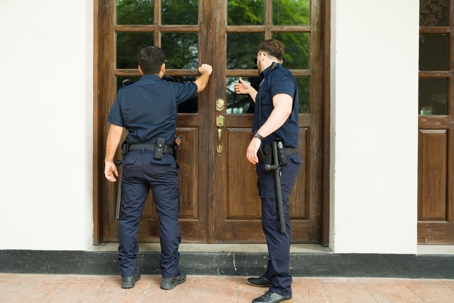
There’s a sudden knock at your door. You look through the peephole and it’s the police. They’re asking to come inside, but they don’t have a warrant.
In that moment, everything can feel tense and uncertain. You might wonder if you’re legally required to open the door, what you should say, and what could happen if you refuse.
The good news is that you do have rights. The law protects your home and your privacy, but how you handle that interaction matters just as much as knowing your rights in theory.
This guide walks you through what to do (and what not to do) when police show up without a warrant, so you can stay calm, stay safe, and stay in control of your rights.
Understanding Your Rights When Police Knock on Your Door
When officers knock without a warrant, the situation is not as straightforward as it might seem. The law draws a clear line between what the police can ask and what they can do.
Here’s the foundation:
- Your home is safe from random searches. The Fourth Amendment protects you from unreasonable searches and seizures.
- A warrant signed by a judge is generally required before police can legally enter and search your home.
- Without one, their power is limited to what you allow or what counts as an exception under the law.
Let’s unpack that a little.
What Officers Can Do Without a Warrant
They can:
- Knock on your door and ask to speak with you.
- Ask questions from outside your home.
- Request permission to come inside (but you can decline).
They cannot:
- Force their way in without a valid warrant or urgent legal reason.
- Search your home or belongings just because you answered the door.
- Threaten you into letting them in (that could make any “consent” invalid).
There are limited exceptions, like if officers believe someone inside is in danger, if they’re chasing a suspect who ran inside, or if they clearly see illegal activity through a window. These situations are rare and specific.
As with any other choice by the police to use force, do not fight back if they enter your home without consent. They will need to justify their actions in court, but if you try to stand your ground, you may wind up with much bigger problems than you may have had otherwise. It is better to put them in the position of having to be perfect than to have to defend your own choices.
Knowing this framework helps you respond with confidence. You don’t need to be confrontational; you just need to be firm and clear.
How to Stay Calm and Handle the Situation Safely
Even when you know your rights, nerves can get the best of anyone. The sound of police knocking, especially unexpectedly, can make your heart race. Staying calm isn’t just about keeping your cool; it’s about keeping the situation under control and avoiding misunderstandings.
Here’s how to manage that moment safely:
- Take a deep breath before acting.
Don’t rush to the door. Look through a window or peephole first to confirm it’s really the police. - Keep the door closed while you speak.
You can communicate through the door or open it slightly with a chain lock still engaged. There’s no legal requirement to fully open it. - Be polite but cautious.
You don’t need to argue or accuse. A calm tone goes a long way. For example: “Hello, officers. How can I help you today?” - Ask if they have a warrant.
If they do, ask to see it and don’t just take their word for it. They should show you the warrant through the door or hand it over for inspection. - If they don’t have a warrant, remember that you’re in control.
You can say something simple and respectful like: “I don’t consent to any searches or entry. Am I free to go back inside?” - Avoid sudden movements.
Keep your hands visible. If you need to get your phone to record or call an attorney, let the officers know what you’re doing first.
This approach keeps the situation calm and safe for everyone involved, while still protecting your boundaries.
When You Should and Shouldn’t Let Officers Inside
This is where some people make critical mistakes, not because they want to, but because they feel pressured or unsure. The police might sound friendly, or they might imply that refusing could make things worse. But legally, you have a clear right to say no.
Here’s what you should know:
When You Should Not Let Officers In
- They don’t have a warrant. Unless it’s an emergency, you’re under no obligation to let them enter.
- They say, “we just want to talk.” You can talk through the door or step outside if you wish, but once they’re inside, they can legally observe and note anything in plain sight.
- You feel intimidated or confused. Consent given under pressure isn’t real consent. It’s always better to pause, contact an attorney, and then decide.
When It Might Be Okay to Let Them In
There are rare, narrow cases:
- You called them yourself—say, for a domestic disturbance or welfare check.
- They’re responding to a clear, immediate emergency (for example, someone inside is hurt or in danger).
But if you’re unsure whether an exception applies, don’t guess. You can say:
“Officer, I’d like to speak with an attorney before letting anyone inside.”
This isn’t being difficult, but it’s being smart. Once officers are in your home, anything they see or hear can potentially become evidence, even if it wasn’t the reason for their visit.
What to Say (and Not Say) to Protect Yourself Legally
Words matter during any police interaction. You can protect yourself immensely just by knowing when to speak, and when silence serves you better.
What to Say
Keep it simple, respectful, and limited:
- Ask questions.
“Do you have a warrant?”
“Am I being detained, or am I free to leave?”
“Am I required to answer any questions?” - Assert your rights clearly.
“I don’t consent to any searches.”
“I’d like to speak with an attorney before answering any questions.” - Stay polite.
You can be firm without being hostile. Calmness often earns you respect and keeps tension low.
What Not to Say
Avoid volunteering information or explaining your situation. You might think you’re helping yourself, but every detail you share can be used later, even innocent ones.
Here’s what to avoid:
- Don’t admit or deny anything. Even casual phrases like “I didn’t do anything wrong” can be twisted in context.
- Don’t lie. Giving false information can turn a simple interaction into a criminal issue.
- Don’t argue. The place to challenge police actions is in court, not at your doorstep.
When in doubt, use one of the strongest legal tools you have—silence. You can say:
“I choose to remain silent until I have an attorney present.”
That sentence ends the conversation lawfully and safely.
With that foundation in place, it’s time to understand what happens after the knock, especially when things start to move into legal territory.
How a Criminal Defense Attorney Can Protect Your Rights
Even when you do everything right, police encounters can sometimes lead to misunderstandings or legal trouble. Maybe they searched beyond what they were allowed to. Maybe you were detained or questioned longer than necessary. Or maybe you’re simply unsure whether your rights were violated.
A criminal defense attorney becomes your most important ally in these moments. Here’s how our team at Cornick Ndlovu, PLC protects you:
- We review the legality of the encounter. Was the officer justified in approaching your home? Did they have probable cause? We can challenge unlawful searches or detentions.
- We handle all communication. Once you have representation, officers and prosecutors must speak with us instead of you. This shields you from saying something that could later be misinterpreted.
- We fight to suppress evidence obtained illegally. If a search happened without valid consent or a warrant, we can file motions to have that evidence thrown out.
- We provide guidance before you speak. If the police contact you again, we can prepare you for exactly what to say and what not to.
- We ensure your rights are respected throughout every stage. From initial questioning to possible charges, we stand beside you every step of the way.
When police show up without a warrant, it’s easy to feel cornered. But remember, you have rights and exercising them doesn’t make you guilty or uncooperative. It makes you informed.
Stay calm. Keep your door closed. Be polite but firm. Speak only when necessary. And above all, get legal guidance as soon as you can.
If you or someone you love has experienced an unexpected police visit, we’re here to help. Reach out to us at (540) 386-0204 or fill out our online form to get started.